

 wellnessfitpro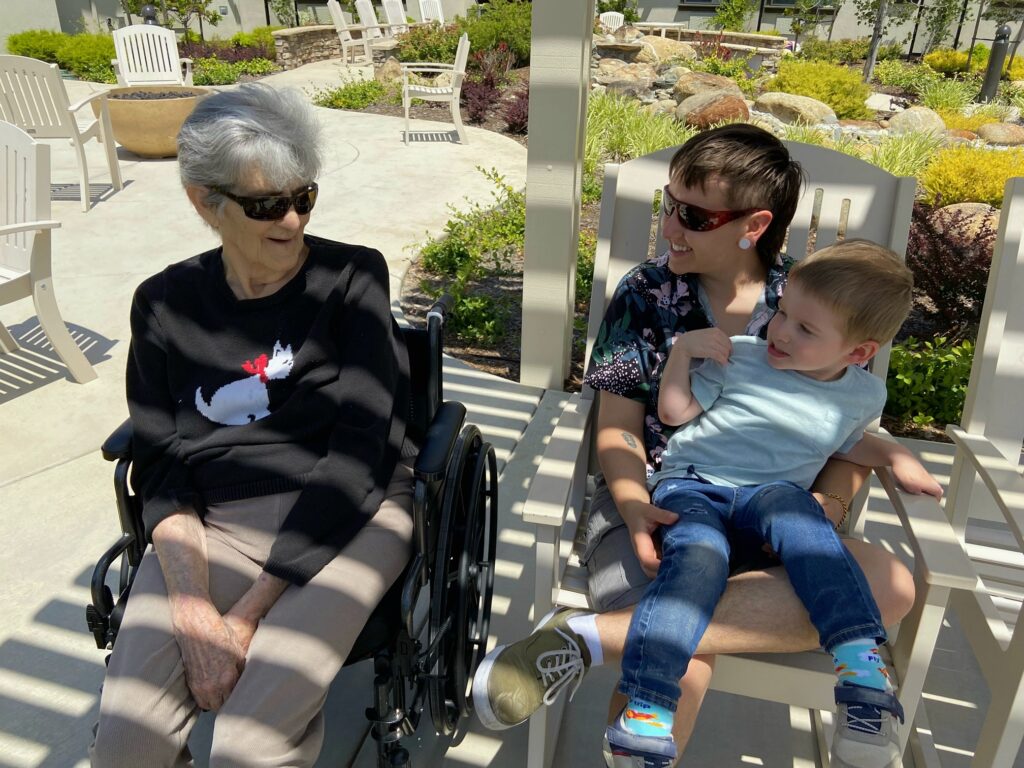

My grandmother’s Alzheimer’s diagnosis nearly derailed my education. Between working full-time and earning my college degree, my hands were already full when she needed additional care. I didn’t hesitate to step up, but that decision almost cost me my dreams. No one should have to choose between pursuing their goals or caring for a loved one.
My story is not unique, but it is often overlooked. Some 5 million college students in the U.S. are also caregivers for adults, typically older relatives. This number is projected to grow quickly, given our aging population and the ballooning cost of care.
Being a student caregiver opened my eyes to the ways higher education wasn’t designed for someone with this added responsibility. And it gave me empathy for students who balance other types of caregiving, like California’s 400,000 student parents. Millions of Californians have started college and stopped out, in no small part because of this juggling act.
Today’s students need flexibility to manage life outside the classroom. Without strong support, I and many other college students are forced to choose between pursuing our goals and giving our loved ones the care they deserve.
I negotiated these competing pressures throughout college. As my grandmother’s condition deteriorated, I made time to care for her between work and school. When she needed 24/7 support, we were blessed that she had retirement savings to help afford a memory care facility. Now that Grandma had professional care, I felt stable enough to transfer from American River College to Sacramento State University and complete my bachelor’s.
That security wasn’t permanent, however. In the summer of 2023, as I was transferring, Grandma broke her hip. Unfortunately, the recovery facility wasn’t equipped for memory care, so my mom and I had to pick up the slack. During my first semester at Sacramento State, I spent about 10 hours a week caring for Grandma on top of my full-time work and school. When I wasn’t with her, anxiety consumed me. Like most student caregivers, I felt alone and didn’t know who to turn to. Overwhelmed, I nearly stopped out.
Thankfully, my peers provided advice on balancing caregiving, work and school. My professors extended deadlines and posted lectures online. Finally, Grandma recovered enough to return to the memory care facility.
While I was lucky to get the support I needed to persist, many in my position don’t. Over half of student caregivers (53%) consider stopping out, compared to only 31% of non-caregivers, leaving them at higher risk of unemployment, housing insecurity and student loan defaults.
It doesn’t have to be that hard. California higher education leaders and policymakers can ease these pressures on student caregivers, promoting better outcomes and care statewide.
In talking with fellow student caregivers, I saw two common needs:
- Flexible campus and course policies. I was fortunate to have faculty support, but what if that flexibility were guaranteed to everyone? Campuses statewide should institutionalize policies that help students manage unpredictable life events without creating barriers to completion. Creating institutional cultures that recognize the whole student can help increase persistence and completion.
- Financial support. Over 8 in 10 caregivers nationwide are uncompensated. My family was lucky to have some of Grandma’s retirement savings, but caregivers nationwide are spending a quarter of their income on care expenses, making it all the more difficult for them to afford college. Expanding and streamlining access to emergency aid and targeted financial support can prevent students from having to choose between paying for their education and their loved ones’ care.
With thoughtful support and flexible accommodations, we can remove obstacles for student caregivers, increase graduation rates and drive shared prosperity.
Grandma’s dream was for her grandkids to go to college, and I am grateful I had the support to make it a reality. Let’s strengthen these possibilities for everyone.
•••
Adrien Manzi recently graduated with a Bachelor of Arts in sociology at Sacramento State University. They wrote this piece while completing a research fellowship at California Competes: Higher Education for a Strong Economy, as part of Sacramento State’s Pathways Fellows Program.
The opinions expressed in this commentary are those of the author. EdSource welcomes commentaries representing diverse points of view. If you would like to submit a commentary, please review our guidelines and contact us at commentary@edsource.org.
College Completion,Commentary,Unsorted,California Competes,Sacramento State University#Caregiving #shouldnt #derail #students #college #dreams1778865392

