

 wellnessfitpro
A new lipid-based pathway essential for memory formation has been discovered by University of Queensland researchers – a breakthrough that could lead to treatments for post-traumatic stress disorder (PTSD).
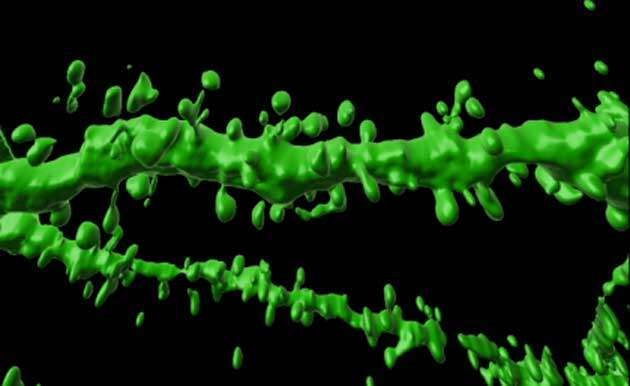
Led by Professor Frédéric Meunier from UQ’s Queensland Brain Institute, the team found a saturated fat called myristic acid is released by an enzyme, DDHD2, which is then used to chemically “tag” proteins where neurons connect and communicate with each other.
“From our previous research we know myristic acid is essential to making memories stick,” Professor Meunier said.
“In new this study, we found myristic acid hooks onto proteins and alters their membrane association, thereby driving memory formation.
“Crucially, without this fat-tagging step, these proteins in dendritic spines can’t do their job, and the neuron can’t strengthen its connections.”
Blocking this fat-signalling pathway in mice prevented the brain from undergoing these critical protein changes that occur during memory formation, providing strong evidence this process is essential to learning.
“This could mean we’ve found a way to temporarily interfere with how the brain stores memories,” Professor Meunier said.
The National Study of Mental Health and Wellbeing 2020–2022 shows an estimated 11 per cent of Australians experience PTSD in their lifetime.
Co-author Dr Nathalie Dehorter said the discovery has significant implications for understanding brain plasticity and offers a potential therapeutic target for preventing the consolidation of traumatic memories.
“However, those clinical applications are still a long way off, and any approach to controlling memory would require careful ethical consideration,’’ Dr Dehorter said.
The brain is the body’s fattiest organ, with fatty compounds making up 60 per cent of its weight and this study further underscores the vital role that fats play in brain function.
The research was funded by the National Health and Medical Research Council (NHMRC) and the Clem Jones Centre for Ageing Dementia Research and supported by UQ’s Clinical Research Mass Spectrometry Facility and UQ’s Biological Resources facility.
The research is published in The EMBO Journal.
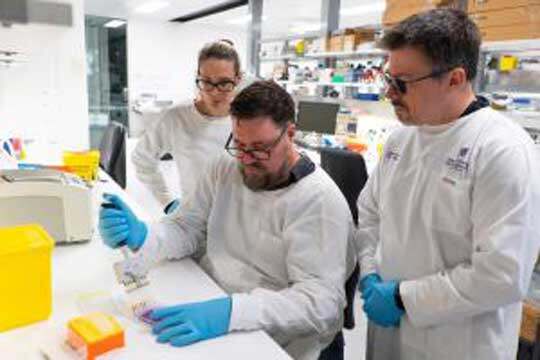
*Image (L-R) Dr Nathalie Dehorter, Benjamin Matthews, Professor Frederic Meunier

Featured,Top Global News,Australia Education News,Australia News,Education in Australia,Study in Australia,World Education NewsAustralia Education News, Australia News, Education in Australia, Study in Australia, World Education News#brain #pathway #discovered #key #memory #formation1768451370

