

 wellnessfitpro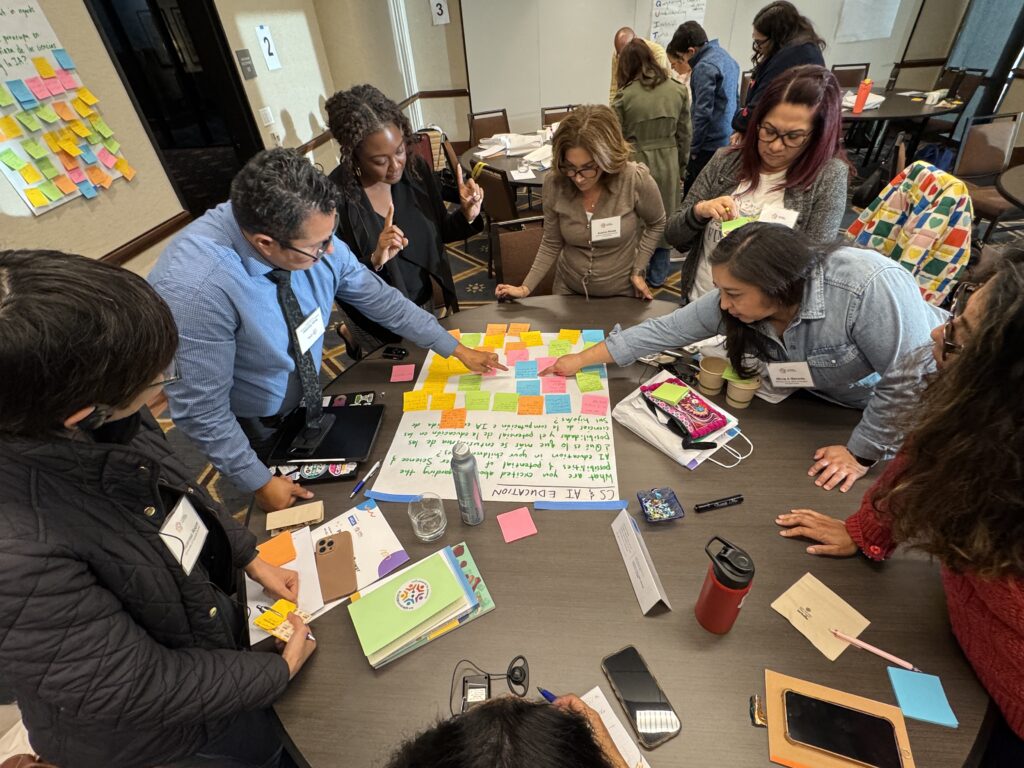
As computer science educators, researchers and parents, we are not alone in our struggle to balance the good and bad of technology, especially artificial intelligence (AI). As much as we’d like to slow down its speedy adoption in our schools, we can’t bury our heads in the sand and ignore it.
Instead, we need to move quickly to ensure that students have the tools they need to understand and use these new technologies safely and effectively. The best way to do this is through computer science education that incorporates ethics and responsible use of technology, thinking critically about potential harm and opportunities for social good.
And, just as importantly, we must extend this knowledge to parents. Our most recent initiative, Plugging Into Power, is helping parents make informed decisions by exposing them to what quality teaching and learning about technology can look like in schools. When parents understand what human-centered AI and computer science education can be, they are better equipped to advocate for increased access to classes taught by well-prepared teachers and, as a result, can better support their kids to be successful.
Related Reading
From novices to advocates: Stanislaus County parents want more computer science classes in schools
April 21, 2026
When parents understand how computer science is the foundation of both AI literacy, which includes learning about AI, ethics and impacts, as well as AI education, which includes learning with AI, parents can be more effective advocates for the right kind of tech in their schools.
More than basic digital literacy (typing, coding and ed-tech tools), computer science is the deeper learning that teaches students to be critical thinkers and creative problem-solvers, developing a robust understanding of the technologies they encounter every day, including artificial intelligence, which is one branch of computer science.
Unfortunately, only about half of California’s public schools offer computer science, and past efforts to ensure that all schools offer high-quality computer science classes have failed because the state did not provide the necessary resources to make that a reality.
Until we can fill that gap, here are some key things parents should know and do:
Despite the hype, AI is not magic, and we all need to understand its potential shortcomings:
- Bias and inaccuracy: It’s important for students to understand how algorithms get baked into systems, meaning flawed input can result in flawed output. The results given by AI are dependent on the data or information fed to it, often reflecting existing societal prejudices. These incorrect and biased answers can have profound human and societal consequences.
- Ethics: AI can cause harm such as cyberbullying or generating fake images that affect elections and politics. It also disadvantages artists, authors and musicians, whose work is often used without their consent, compensation or acknowledgment.
- Data privacy: The information people share with AI chatbots or programs may be stored and used to train AI for other purposes. Users often do not know if or how their personal data is being saved or leveraged in negative ways.
- Environmental impacts: AI data processing centers generate heat as they use a lot of energy, requiring fresh water to cool them. This means AI has a surprisingly negative impact on the environment, consuming natural resources worldwide.
Next week: Virtual Roundtable
Screen time in schools: What’s the right balance for learning?
Join EdSource on May 13 at 3 p.m. | Learn more and save your spot!
There are ways you can help your child navigate these technological tools right now:
Talk to your kids: Although research indicates 80% of parents have concerns about harmful effects of AI, only 35% of parents have discussed AI use with their kids. Simply talking to your child about computer science can make a huge difference. Discussing current events about larger social and ethical issues helps build critical thinking skills. We co-designed a guide with parents, for parents and families to spark discussions with young people in your life.
Encourage your child to learn about computer science: Help your child access computer science education classes at school. Some students may be hesitant because they don’t think they fit the stereotype of who does well with computers. Sharing examples of successful people who defy the traditional image of a computer scientist can be especially important for girls, English learners and students of color who are underrepresented in computer science.
The Computer Science Teachers Association is releasing updated computer science standards that include standards for AI to help ensure that students are not only learning to use emerging technologies, but also developing a deeper understanding of how AI works, how it connects to core computer science concepts and how it impacts society. While there are efforts to influence how technology can better serve humanity, it’s important that we engage students and families in these conversations today in order to build ethical leaders for tomorrow.
When parents feel informed, they are better prepared to engage in meaningful conversations about technology and advocate for their children. You don’t have to know everything about computer science and AI, but asking the right questions is a good way to start.
Instilling students with a human-centered perspective of the good and bad of tech will prepare them to lead a more ethical technological future, no matter what the next breakthrough may be.
•••
Julie Flapan is director of the UCLA Computer Science Equity Project housed in Center X in the School of Education and Information Studies and works with Jean Ryoo and Michelle Choi on the center’s new Plugging Into Power family engagement project. She is also the founding director of CSforCA, a statewide coalition advancing access, equity and inclusion in computer science education for all students.
Rudy Escobar is STEM & computer science coordinator at the Stanislaus County Office of Education. He also serves as co-chair of CSforCA, strengthening educator capacity, expanding access for underrepresented learners and supporting systems-level implementation of high-quality computer science, STEM and AI instruction.
The opinions expressed in this commentary are those of the authors. EdSource welcomes commentaries representing diverse points of view. If you would like to submit a commentary, please review our guidelines and contact us.
EdSource is dedicated to covering in California and nationally. Other publications may republish EdSource articles, online or in print, at no charge, provided adherence to our guidelines. The embed code provided here includes a tracking pixel to enable us to measure the reach of our stories. It must be included in any online pickup of EdSource stories.
The following guidelines apply to all EdSource content, including stories, podcasts and video:
Editing stories: Trimming stories for length or adding additional localized reporting is allowed. However, if you wish to make material edits, please contact EdSource for approval prior to publication. Please reach out to Andrew and Smita at republish@edsource.org with questions.
Crediting EdSource: Authors and EdSource should be credited in the byline with a link back to the original article. (This is in the embed code. Please be sure to include it.)
Monetization: EdSource stories cannot be sold, but it’s OK to put EdSource articles on pages with ads.
Photos and graphics: Assets such as photos and graphics must be added manually. Photos taken by EdSource staff may be republished, but some images, such as those from third-party providers (Associated Press, iStock), may not be republished without permission or payment. Proceed with caution. You may also run your own photos with the EdSource story. On occasion, EdSource editors may be able to provide partners with embed codes for graphics or localized data. If you have questions, please contact us.
RSS Feeds: News organizations cannot systematically republish all EdSource articles via RSS feed or other mechanism.
Commentary,Technology,Unsorted,Artificial intelligence (AI),CSforCA,UCLA Center X#parents #understand #Ensuring #ethical #tech #schools1777972601

